A short tour of the Montreal restaurants running microgreens through their weekly standing orders — what they use, where it lands on the plate, and why the lineup shifts with the season.
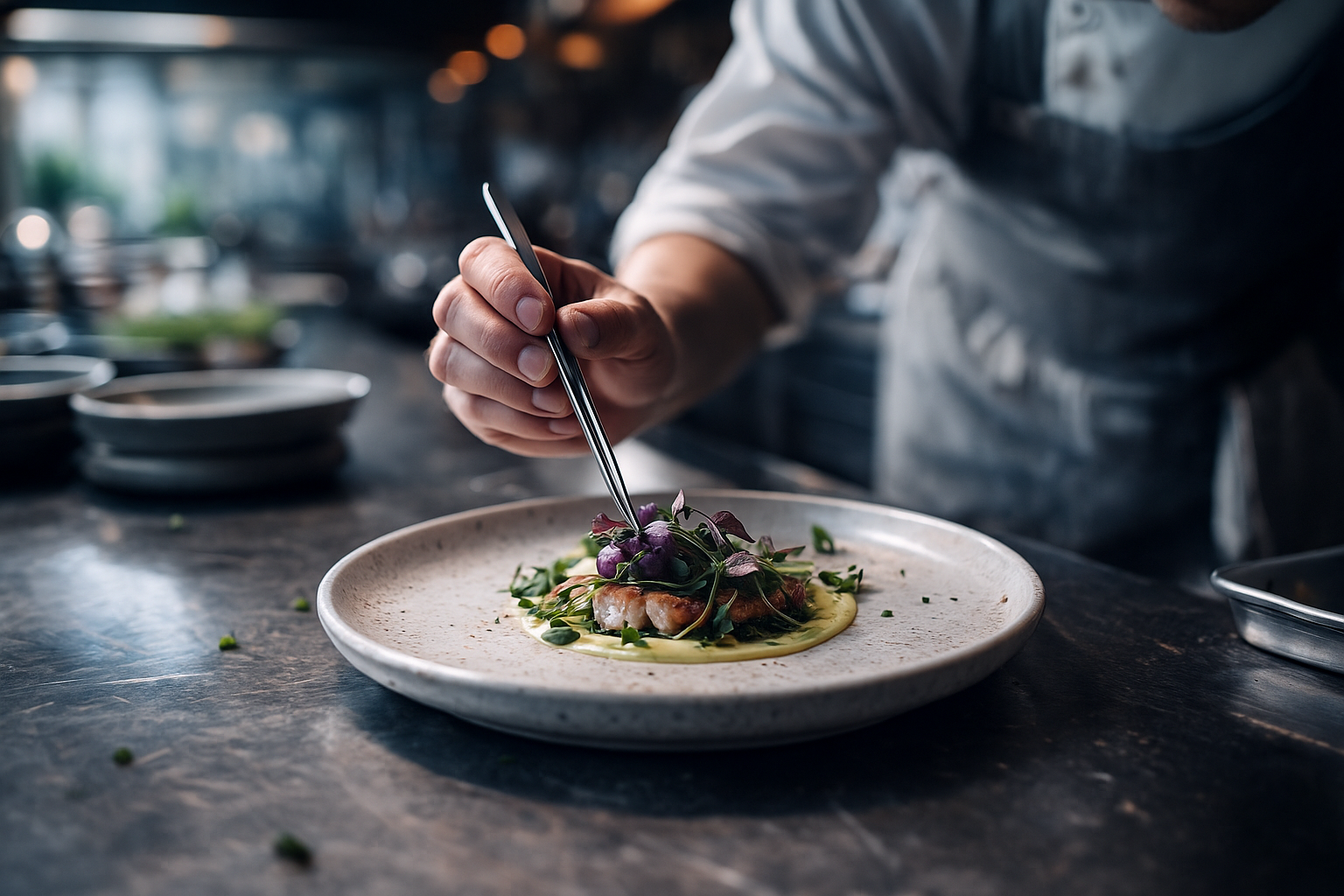
Microgreens have stopped being a garnish and started being an ingredient. On Montreal's best plates they're doing real work — carrying a flavor note the dish otherwise couldn't hit, adding a textural break between two rich elements, or finishing a raw preparation that's been sitting under ice for an hour and needs to come alive the second it hits the table.
Here's a short tour of what our wholesale accounts across the city are running through their kitchens this season.
Monarque — French fine dining, Vieux-Montréal
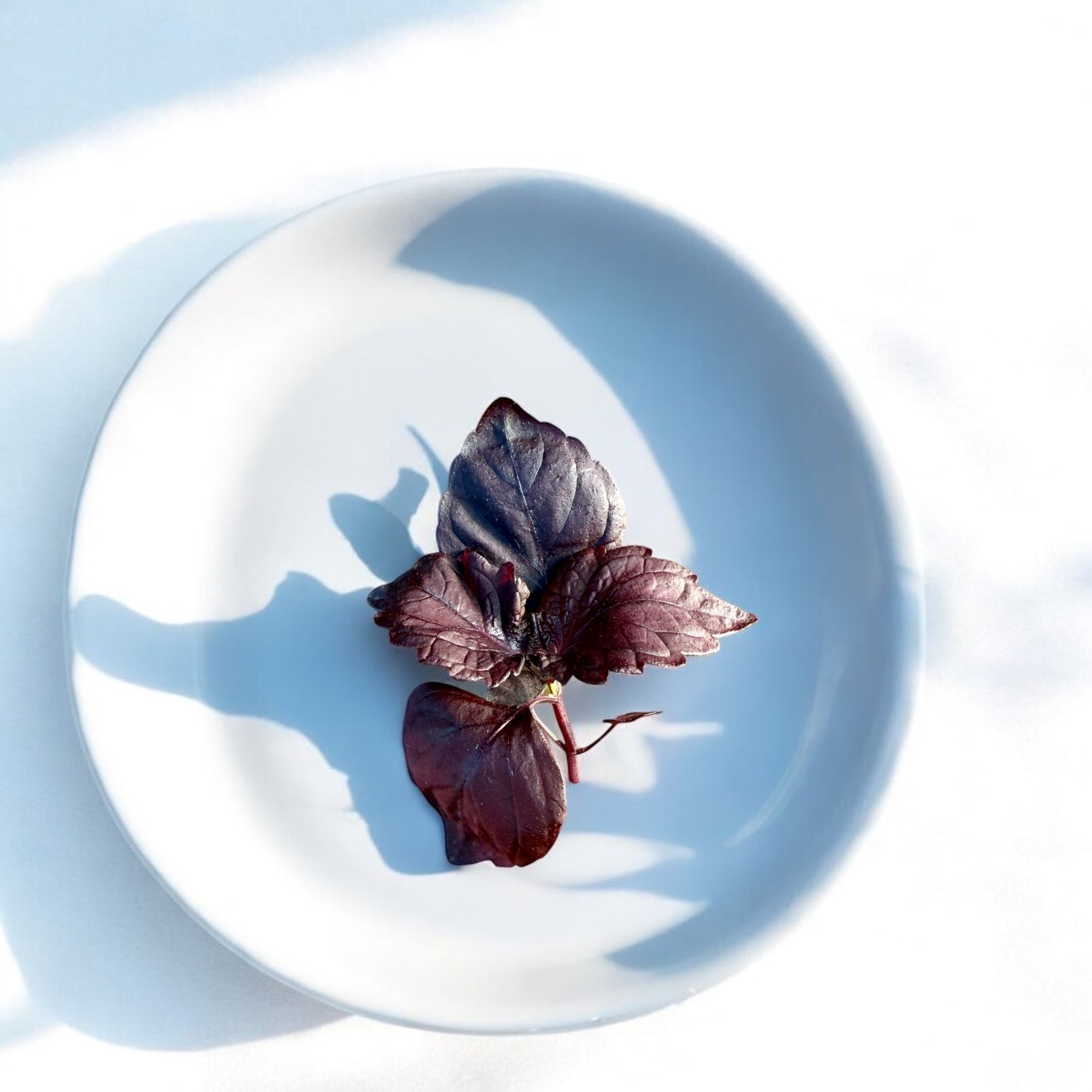
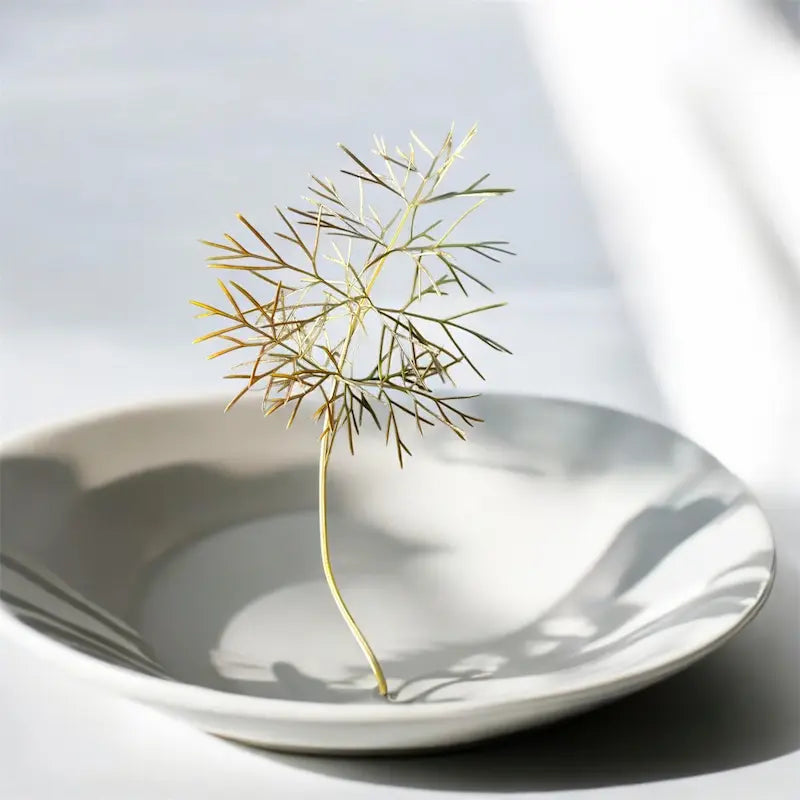
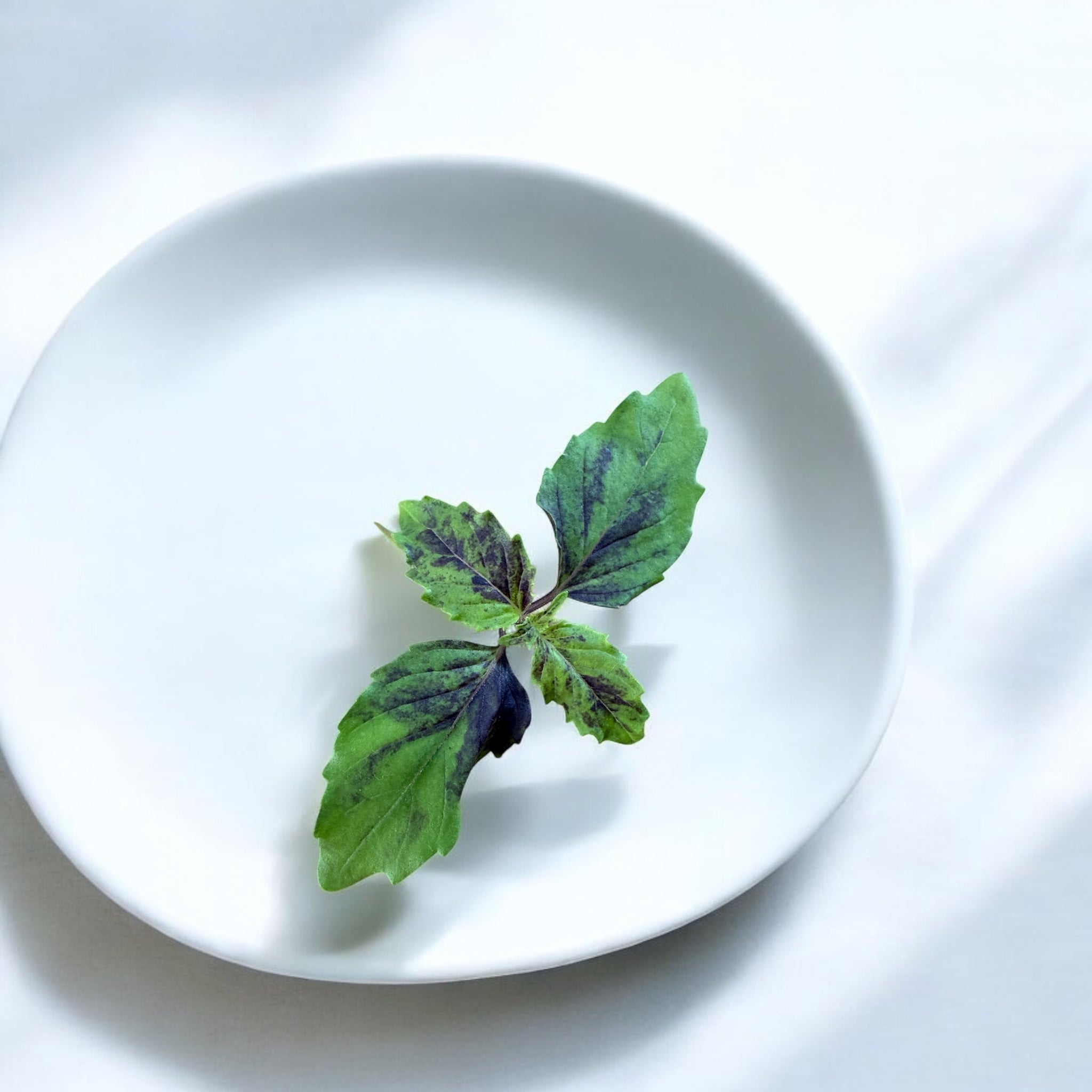
The standing weekly lineup at Monarque leans on red shiso and bronze fennel. The shiso's burgundy veins are doing double duty — visual contrast on a pale protein (poached halibut, foie gras torchon) and a cooling anise-mint note that cuts butter-heavy French technique. Bronze fennel shows up on their seafood amuse-bouches when the kitchen wants a finer, more delicate anise than the full dill plant could deliver.
Biotope — Seasonal, Vaudreuil-Dorion
Biotope's Westside kitchen runs the broadest edible-flower order in our book. Peak season (June through early September) they take begonia, snapdragon, nasturtium, and borage weekly — paired with bulls blood beet microgreens for their salad composition plates. The visual palette changes month to month as different flowers come in, and their menu copy changes with it.
Mati Bistro — Neobistro, Plateau
Mati's cooking favors bright, acid-forward flavors, which is why Thai basil microgreens and cilantro sit on their standing order year-round. Thai basil lands on their fish crudos and noodle plates; the micro cilantro fills in the finishing layer on anything that would take cilantro at full size but needs a lighter hand.
Hidden Fish — Japanese, Old Port
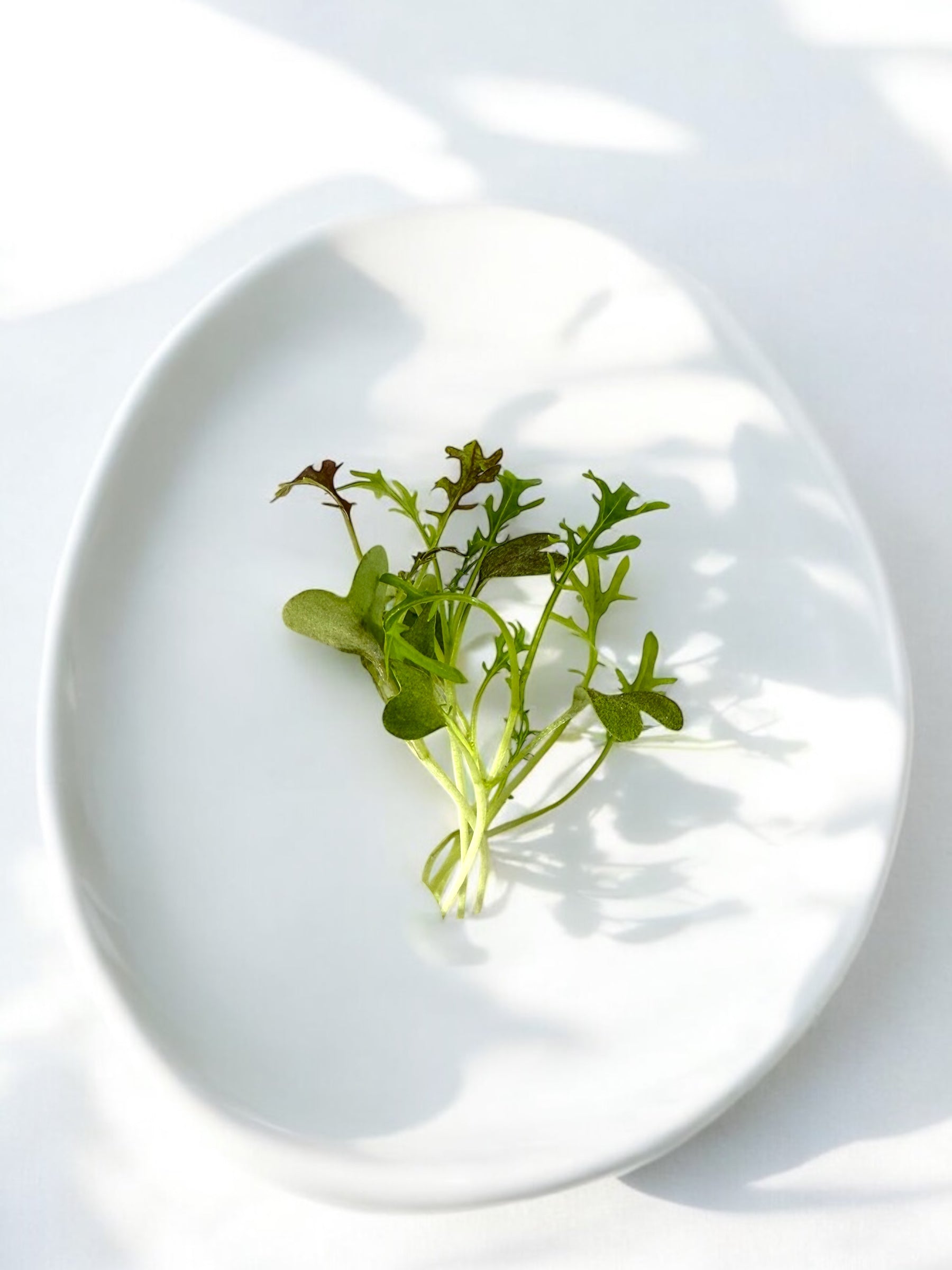
A raw-fish program lives and dies on the finishing ingredient. Hidden Fish orders red mizuna and red shiso every week — mizuna for the feathery serrated leaves that translate beautifully on a nigiri piece, shiso for the classical Japanese flavor pairing that home-grown Canadian shiso at chef-plate size actually delivers on. Peppery bite from the mizuna gives the softer fish cuts (hamachi belly, salmon) a structural counterpoint.
Taverna — Mediterranean raw bar, Mile End
Taverna takes borage microgreens and micro fennel for their raw preps — scallop crudo, beef carpaccio, pickled-vegetable plates. Borage has a cucumber-oyster note that works on seafood the way a squeeze of lemon would, but with presence on the plate. Micro fennel sits at the finishing end of their winter citrus dishes.
Le Charleville — Bistro, Griffintown
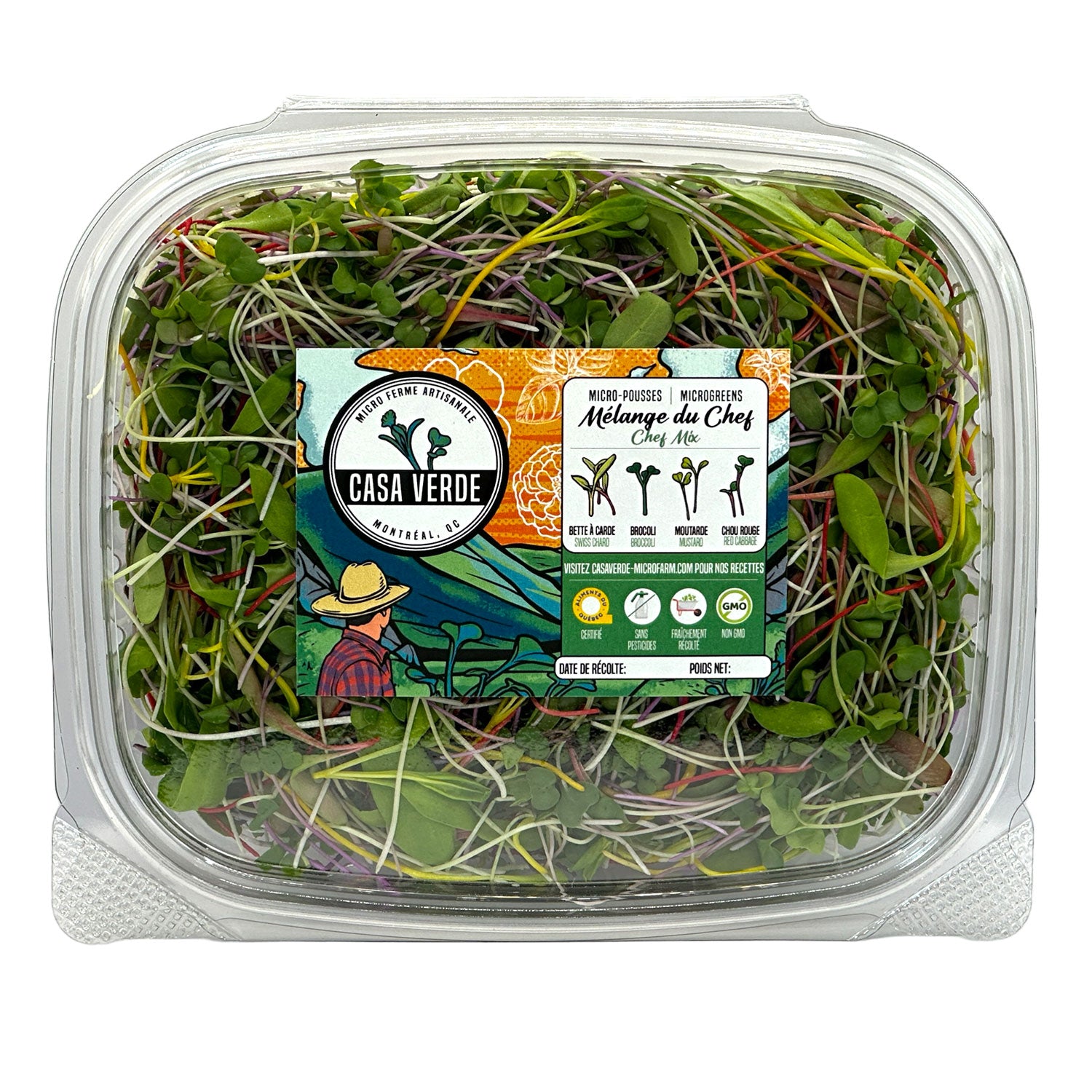
Le Charleville is a workhorse account — the Chef Pack plus a rotating specialty blend most weeks. That's a pragmatic lineup: the blend covers the greens-and-shoots end of the salad program, the specialty mix (our Taqueria Mix into summer, Taverna Mix in winter) carries the flavor identity of whatever cuisine the kitchen is leaning into that season.
What the standing orders have in common
Every restaurant above is on a weekly standing-order cycle, which means the microgreens are on the pass in the same rhythm as dairy, herbs, and fish — not an occasional special order. That's the shift we've seen across Montreal's fine dining and neobistro scene in the last three years: microgreens moved from "finishing touch on a Friday night tasting menu" to "a line on Tuesday's prep list."
If you run a Montreal kitchen and want to see what a standing order would look like for your menu, browse the full single-variety catalogue or start with the Chef Pack — our sampler of seven varieties that most new accounts begin with.